Sarcoma & Soft Tissue Tumours
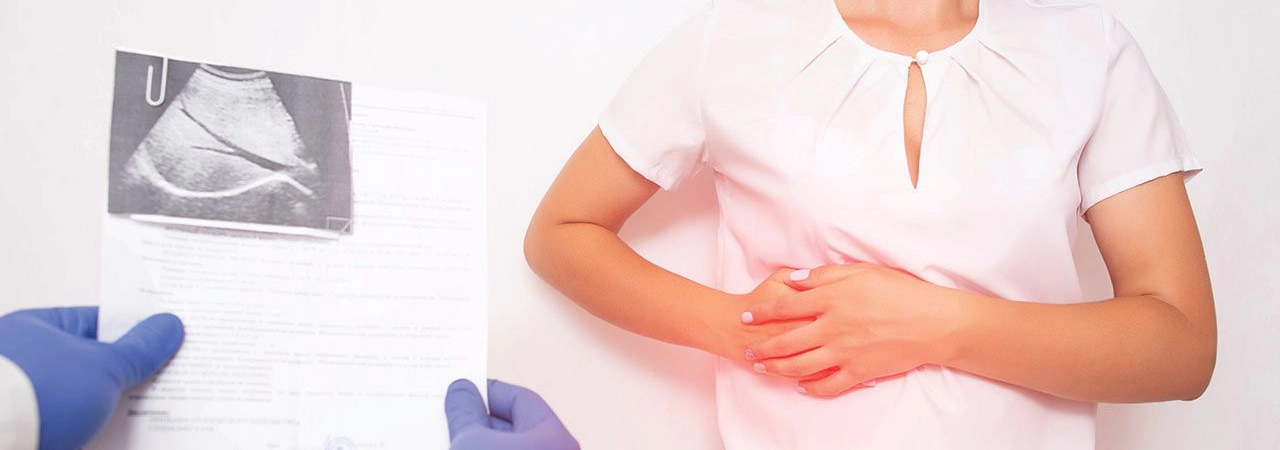
Sarcoma is a rare and diverse group of cancers that arise from the bones and soft tissues, including muscle, fat, nerves, fibrous tissues, and blood vessels. Because sarcomas behave differently from other cancers and can occur anywhere in the body, they require a highly specialised and multidisciplinary approach to ensure accurate diagnosis, effective treatment, and optimal functional outcomes. Our Sarcoma and Bone & Soft Tissue Oncology team provides comprehensive care, from early evaluation and advanced treatments to rehabilitation and long-term follow-up.
Our team includes orthopedic oncologists, medical oncologists, surgical specialists, radiologists, pathologists, and rehabilitation experts who collaborate to deliver personalised, evidence-based care focused on both survival and quality of life.
Types of Sarcoma We Treat
Sarcomas are broadly categorized into bone sarcomas and soft tissue sarcomas. Each type requires different diagnostic and therapeutic strategies.
Bone Sarcomas
- Osteosarcoma
- Ewing Sarcoma
- Chondrosarcoma
Soft Tissue Sarcomas
- Liposarcoma
- Synovial Sarcoma
- Leiomyosarcoma
- Rhabdomyosarcoma
- Fibrosarcoma
- Undifferentiated Pleomorphic Sarcoma
Identifying the exact subtype is essential for selecting the most effective treatment plan.
Common Symptoms
Sarcoma symptoms vary based on location, size, and rate of growth. Common warning signs include:
- Persistent or worsening bone or joint pain
- A lump, swelling, or mass that gradually increases in size
- Restricted movement or stiffness of a limb
- Unexplained or recurrent fractures
- Fatigue, loss of appetite, or unintended weight loss
Any persistent lump, swelling, or deep bone pain should be evaluated promptly by a specialist.
Diagnostic Facilities
Accurate early diagnosis is key to planning limb-sparing and effective treatments. We offer advanced diagnostic services, including:
- X-ray and MRI for soft tissue and bone evaluation
- CT and PET-CT for staging and metastasis assessment
- Ultrasound-guided or CT-guided biopsy for tissue sampling
- Histopathology with immunohistochemistry
- Molecular and cytogenetic analysis for subtype identification
Advanced Treatment Options
Treatment strategies are tailored according to tumour size, grade, location, and spread, aiming to cure the cancer while preserving limb function.
1. Limb-Sparing Surgery
Most sarcoma cases can be treated without amputation using precise surgical techniques combined with reconstruction and adjuvant therapies.
2. Wide Local Excision or Tumour Resection
The tumour and surrounding margins are removed while preserving nearby structures.
3. Orthopedic Reconstruction & Prosthetic Replacement
Advanced reconstruction techniques restore mobility and limb function after bone sarcoma surgery.
4. Chemotherapy
Used for systemic control, especially in osteosarcoma, Ewing sarcoma, and high-grade soft tissue sarcomas.
5. Radiation Therapy (IMRT, IGRT)
Advanced radiation techniques target tumours precisely while sparing healthy tissue.
6. Targeted Therapy & Immunotherapy
Specific drugs designed to act on molecular abnormalities in certain sarcoma subtypes.
7. Rehabilitation and Physiotherapy
Essential for restoring mobility, strength, and functional independence after treatment.
Benefits of Specialised Sarcoma Care
- Multidisciplinary Expertise: Orthopedic surgeons, oncologists, radiologists, and rehab specialists collaborate for optimal outcomes.
- Limb Preservation: Modern techniques minimize the need for amputation.
- Precision Diagnosis: Advanced imaging and molecular testing ensure accurate classification.
- Improved Survival: Evidence-based protocols enhance treatment success.
- Holistic Recovery: Focus on physical function, pain control, and emotional wellbeing.
Who Can Benefit from Sarcoma Treatment?
Our services benefit individuals with:
- Primary bone or soft tissue sarcomas
- Recurrent or metastatic sarcomas
- High-grade or rapidly growing tumours
- Tumours requiring limb-sparing surgery or reconstruction
- Cases needing combined chemotherapy, radiation, and surgical treatment
Every patient undergoes a thorough evaluation to create a personalised, effective treatment plan.
The Treatment Process
- Detailed Evaluation: Imaging, biopsy, pathology, and staging investigations.
- Multidisciplinary Planning: Sarcoma tumour board discussion for optimal strategy.
- Treatment Execution: Surgery, chemotherapy, radiation, or combined modalities.
- Rehabilitation & Follow-up: Physiotherapy, pain management, and regular surveillance scans.
Frequently Asked Questions (FAQs)
Q1. Are all lumps cancerous?
No, but any persistent or enlarging lump should be evaluated to rule out sarcoma or other conditions.
Q2. Can sarcomas be treated without amputation?
Yes. With modern limb-sparing techniques and reconstruction, most sarcomas can be treated without removing the limb.
Q3. What is the recovery time after sarcoma surgery?
Recovery depends on tumour location and extent of surgery; physiotherapy plays a key role in regaining mobility.
Q4. Do sarcomas spread quickly?
Some high-grade sarcomas may spread rapidly, which is why early detection is crucial.
Why Choose Us?
- Dedicated Sarcoma Tumour Board for complex case planning
- Experienced orthopedic oncologists and medical oncologists
- Advanced surgical reconstruction and prosthetic facilities
- Comprehensive physiotherapy and rehabilitation programs
- Protocol-driven treatment focused on survival and function preservation
Book a Consultation
Early diagnosis can preserve limb function, prevent complications, and improve survival rates. If you notice a persistent lump, unexplained bone pain, or swelling, seek specialised evaluation immediately.
Expert oncology care focused on hope, healing, and better outcomes.
Visit us on Mon–Sat, 9 AM to 5 PM.


© 2025 | Dr. Peush Bajpai | All rights reserved | Digital Marketing by Remedo