GI & Colorectal Cancer
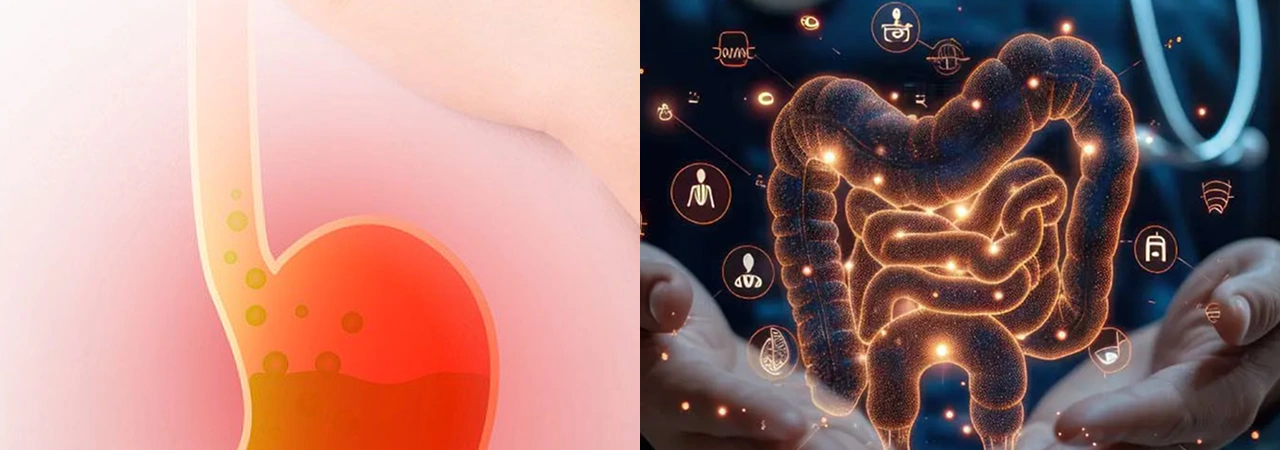
Gastrointestinal (GI) and colorectal cancers affect vital organs involved in digestion, including the stomach, intestines, liver, pancreas, and colon. These cancers can significantly impact overall health, but with modern diagnostic tools and advanced treatment options, outcomes have improved dramatically.
At Max Hospital, Dwarka, under the expert guidance of Dr. Peush Bajpai, Director & Unit Head, Medical Oncology, patients receive comprehensive, personalised treatment for all types of GI and colorectal cancers. Using the latest approaches such as targeted therapy, immunotherapy, chemotherapy, and precision oncology, Dr. Bajpai and his team deliver care focused on long-term survival and quality of life.
Understanding GI & Colorectal Cancers
Gastrointestinal (GI) Cancers
These include cancers that affect the digestive system, such as:
- Esophageal cancer
- Stomach (gastric) cancer
- Liver cancer
- Pancreatic cancer
- Gallbladder cancer
- Small intestine cancer
Colorectal Cancer
Colorectal cancer begins in the colon or rectum and is one of the most common cancers worldwide. It often starts as noncancerous polyps that can turn malignant over time if not detected early.
Common Symptoms
Symptoms vary depending on the affected organ but may include:
- Abdominal pain or discomfort
- Unexplained weight loss
- Changes in bowel habits (constipation or diarrhoea)
- Blood in stool or black stools
- Nausea or vomiting
- Fatigue and weakness
- Jaundice (in liver or pancreatic cancers)
Early detection through screening and genetic testing plays a crucial role in improving outcomes.
Diagnosis of GI & Colorectal Cancers
At Max Hospital, Dwarka, diagnosis begins with a detailed evaluation to determine the exact location, stage, and molecular profile of the cancer. Diagnostic methods include:
- Endoscopy and Colonoscopy: Direct visual examination of the digestive tract and colon.
- Biopsy: Tissue sampling for histopathological confirmation.
- Imaging Tests: CT scan, MRI, PET-CT, and ultrasound for staging and spread assessment.
- Blood Tests and Tumour Markers: Including CEA, CA 19-9, and AFP.
- Molecular & Genetic Profiling: Identifies specific mutations (e.g., KRAS, NRAS, BRAF, MSI) to guide targeted or immunotherapy-based treatments.
Treatment Options for GI & Colorectal Cancers
Dr. Peush Bajpai believes in personalised, multimodal treatment, combining the most effective therapies to achieve optimal results.
1. Surgery
Surgical removal of the tumour is often the first-line treatment for localised cancers. Minimally invasive or robotic techniques are used whenever possible for faster recovery.
2. Chemotherapy
Uses anti-cancer drugs to destroy or inhibit the growth of cancer cells. It may be used before (neoadjuvant) or after (adjuvant) surgery, or for advanced cases.
3. Targeted Therapy
Designed to attack cancer cells that carry specific genetic mutations or molecular markers, sparing healthy tissue. Examples include drugs targeting EGFR, VEGF, or HER2.
4. Immunotherapy
Activates the body’s immune system to recognise and destroy cancer cells. Particularly effective in MSI-high or mismatch repair-deficient colorectal cancers.
5. Radiation Therapy
Used primarily for rectal and esophageal cancers to shrink tumours before surgery or to relieve symptoms in advanced disease.
6. Precision Oncology
Dr. Bajpai integrates advanced genomic testing and molecular analysis to craft tailor-made treatment plans unique to each patient’s cancer biology.
Benefits of Advanced GI & Colorectal Cancer Care
- Individualised treatment based on molecular and genetic analysis
- Access to cutting-edge therapies such as immunotherapy and targeted therapy
- Minimised side effects compared to traditional chemotherapy
- Enhanced survival and quality of life
- Multidisciplinary care including surgery, oncology, and nutrition support
Who Can Benefit from These Treatments?
These advanced treatment options are suitable for patients with:
- Early or advanced GI and colorectal cancers
- Recurrent or metastatic disease
- Cancers with specific genetic mutations (e.g., KRAS, MSI, HER2)
- Tumours resistant to standard chemotherapy
- Those seeking personalised, minimally invasive, and evidence-based care
Each patient undergoes a thorough evaluation with Dr. Peush Bajpai to ensure treatment safety and effectiveness.
The Treatment Process
- Comprehensive Evaluation
Includes imaging, endoscopy, biopsy, and molecular testing to assess tumour characteristics. - Personalised Treatment Planning
A multidisciplinary team, led by Dr. Bajpai, designs a plan that aligns with your diagnosis and overall health. - Treatment Administration
Therapy may involve oral medications, IV infusions, radiation, or surgery, depending on the treatment type. - Monitoring & Follow-Up
Continuous monitoring through imaging and lab tests to evaluate response and manage side effects.
Frequently Asked Questions (FAQs)
Q1. Are GI and colorectal cancers curable?
Yes. Early-stage cancers can often be completely cured with surgery and supportive treatments. Advanced stages can be effectively controlled with modern therapies.
Q2. Is genetic testing necessary for treatment planning?
Absolutely. Genetic and molecular profiling helps identify mutations that can be targeted with specific drugs, improving outcomes.
Q3. Can immunotherapy help in GI cancers?
Yes. Immunotherapy has shown significant success in certain colorectal, gastric, and liver cancers with specific biomarkers.
Q4. What are the common side effects of treatment?
Depending on the treatment, side effects may include fatigue, nausea, appetite loss, or mild immune-related effects. Dr. Bajpai’s team provides comprehensive supportive care to manage these.
Why Choose Dr. Peush Bajpai at Max Hospital, Dwarka?
- Over 20 years of expertise in medical and precision oncology
- Specialisation in GI, colorectal, and other solid tumour cancers
- Leader in immunotherapy and targeted therapy protocols
- Comprehensive, multidisciplinary care with advanced diagnostics
- Personalised treatment approach focused on long-term wellness and comfort
Take the Next Step
If you or your loved one has been diagnosed with a gastrointestinal or colorectal cancer, timely treatment can make all the difference.
Consult Dr. Peush Bajpai, Director & Unit Head, Medical Oncology at Max Hospital, Dwarka, for advanced, personalised cancer treatment that combines global expertise with compassionate care.
Take control of your health with evidence-based, precision-driven oncology.

Expert oncology care focused on hope, healing, and better outcomes.
Visit us on Mon–Sat, 9 AM to 5 PM.


© 2025 | Dr. Peush Bajpai | All rights reserved | Digital Marketing by Remedo