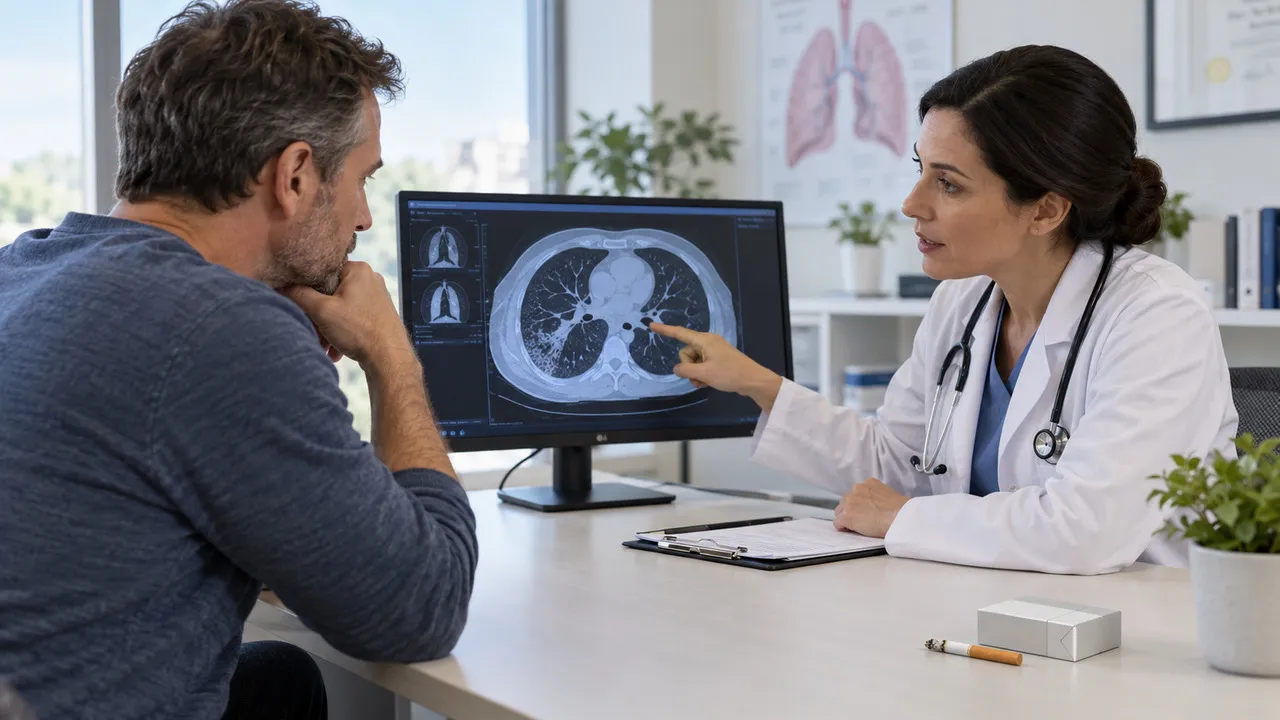
Smoking is one of the most important preventable risk factors for cancer. While lung cancer is strongly associated with smoking, tobacco use can affect many parts of the body and increase the risk of several different cancers.
The risk is not limited to people who smoke heavily or have smoked for decades. The longer and more frequently a person is exposed to tobacco smoke, the greater the potential health impact. However, quitting smoking can lower cancer risk over time and offers health benefits at any age.
Dr. Peush Bajpai can help patients understand cancer risks associated with smoking, recognize concerning symptoms, and seek appropriate evaluation when needed.
How Does Smoking Increase Cancer Risk?
Tobacco smoke contains thousands of chemicals, including many substances known to damage cells and contribute to cancer development.
When smoke is inhaled, these chemicals can damage the DNA inside cells. Repeated exposure can cause genetic changes that allow abnormal cells to grow and multiply uncontrollably.
Smoking can also weaken the body's natural defenses and contribute to chronic inflammation. Over time, repeated exposure may increase the likelihood of cancer developing in different tissues.
Which Cancers Are Linked To Smoking?
Smoking is strongly linked to lung cancer, but its effects extend beyond the lungs.
Tobacco smoking can increase the risk of cancers involving the:
- Lung
- Mouth and throat
- Voice box
- Esophagus
- Stomach
- Pancreas
- Liver
- Kidney
- Bladder
- Cervix
- Colon and rectum
- Certain blood-forming tissues
The level of risk varies depending on the type of cancer and the individual's smoking history.
Why Is Lung Cancer So Closely Linked To Smoking?
The lungs receive direct exposure to tobacco smoke, making them particularly vulnerable to the harmful chemicals present in cigarettes and other smoked tobacco products.
Smoking is the leading preventable cause of lung cancer. The risk increases with factors such as the number of cigarettes smoked per day and the number of years a person has smoked.
However, not every smoker develops lung cancer, and people who have never smoked can also develop it. Other factors, including secondhand smoke, environmental exposures, genetics, and certain occupational exposures, can contribute to risk.
Does Secondhand Smoke Increase Cancer Risk?
Yes. Secondhand smoke contains many of the same harmful chemicals found in tobacco smoke.
Regular exposure to secondhand smoke can increase the risk of lung cancer in people who do not smoke. It can also contribute to other serious health problems.
Reducing exposure is therefore important not only for smokers but also for family members, children, coworkers, and others who may be exposed to tobacco smoke.
Does The Number Of Cigarettes Matter?
Smoking more cigarettes generally means greater exposure to harmful chemicals, but there is no established level of smoking that can be considered completely safe.
Even people who smoke fewer cigarettes may still face increased health risks compared with people who do not smoke.
The best way to reduce tobacco related cancer risk is to stop smoking rather than simply reducing the number of cigarettes.
Can Quitting Smoking Reduce Cancer Risk?
Yes. Quitting smoking can substantially improve health and gradually reduce the risk of developing several smoking related diseases, including cancer.
The benefits begin after quitting and continue over time. The longer a person remains smoke free, the more the risk can decline.
Even people who have smoked for many years can benefit from quitting. There is no age at which quitting becomes pointless.
Is It Too Late To Quit After Years Of Smoking?
No. Quitting is beneficial regardless of how long you have smoked.
People who stop smoking can reduce their future risk of cancer and other tobacco related illnesses. Quitting also protects people around them from secondhand smoke.
If you have tried to quit before and returned to smoking, that does not mean you cannot succeed. Many people require multiple attempts before quitting permanently.
What Symptoms Should Smokers Not Ignore?
Smoking does not mean that every symptom is cancer, but certain persistent or unusual changes should be evaluated.
Important symptoms may include:
- A cough that does not go away or gets worse
- Coughing up blood
- Unexplained weight loss
- Persistent chest discomfort
- Shortness of breath
- Difficulty swallowing
- Persistent hoarseness
- A persistent mouth or throat sore
- Blood in the urine
- Unexplained fatigue
These symptoms can have many causes, but persistent symptoms should not be ignored, particularly in people with a significant smoking history.
Can Screening Detect Lung Cancer Early?
For people at sufficiently high risk, lung cancer screening with low dose computed tomography, or low dose CT, may help detect lung cancer earlier.
Screening is not recommended for every smoker. Eligibility depends on factors such as age and smoking history, and recommendations can change as guidelines are updated.
If you have a significant smoking history, ask your doctor whether lung cancer screening may be appropriate for you.
Does Vaping Eliminate Cancer Risk?
Switching completely from combustible cigarettes to vaping may reduce exposure to some harmful chemicals compared with continuing to smoke cigarettes, but vaping is not risk free.
E cigarettes can expose users to potentially harmful substances, and the long term health effects continue to be studied.
People who do not smoke should not start vaping, and smokers who want to quit should discuss evidence based cessation options with a healthcare professional.
How Can You Reduce Your Cancer Risk?
The most important step for people who smoke is to quit.
Other healthy habits can also support overall cancer prevention:
- Avoid tobacco in all forms
- Limit exposure to secondhand smoke
- Maintain a healthy body weight
- Stay physically active
- Eat a balanced diet
- Limit alcohol consumption
- Attend recommended health screenings
- Discuss concerning symptoms with your doctor
Cancer prevention is not about eliminating every possible risk. It is about identifying the factors you can change and taking practical steps to reduce them.
When Should You Talk To A Doctor?
If you currently smoke, have a significant smoking history, or are concerned about symptoms, speaking with a doctor can help you understand your individual risk.
You should seek medical evaluation for persistent cough, coughing up blood, unexplained weight loss, ongoing chest symptoms, difficulty swallowing, persistent hoarseness, or other unexplained changes.
Dr. Peush Bajpai can help assess concerning symptoms, review relevant risk factors, and guide patients toward appropriate investigations or specialist care when needed.
Take A Step Toward Lowering Your Cancer Risk
Smoking can increase the risk of several cancers, but your smoking history does not have to determine your future health. Quitting smoking is beneficial even after years of tobacco use, and regular medical care can help identify problems early when appropriate.
If you smoke or have a history of tobacco use and are concerned about your cancer risk or persistent symptoms, Dr. Peush Bajpai can help you understand your risk factors and discuss appropriate evaluation and care.
FAQs
Q: Does smoking cause cancer?
A: Yes. Smoking damages cells and increases the risk of several cancers, particularly lung cancer. It is also associated with cancers affecting areas such as the mouth, throat, esophagus, bladder, kidney, liver, pancreas, stomach, and colon.
Q: Is lung cancer only caused by smoking?
A: No. Smoking is the leading preventable cause of lung cancer, but people who have never smoked can also develop lung cancer. Secondhand smoke, environmental exposures, genetics, and other factors can contribute to risk.
Q: Can quitting smoking prevent cancer?
A: Quitting cannot guarantee that a person will never develop cancer, but it significantly reduces future cancer risk and provides many other health benefits. The benefits of quitting begin soon after stopping and continue over time.
Q: Is it too late to quit smoking after many years?
A: No. Quitting at any age can improve health and reduce the risk of smoking related diseases. Even people who have smoked for many years can benefit from stopping.
Q: Can secondhand smoke cause cancer?
A: Yes. Long term exposure to secondhand smoke can increase the risk of lung cancer in people who do not smoke. Avoiding tobacco smoke is important for both smokers and those around them.
Q: Should smokers get tested for lung cancer?
A: Some people with a significant smoking history may benefit from regular lung cancer screening with low dose CT. Screening eligibility depends on factors such as age and smoking history, so discuss your individual risk with your doctor.
Q: Does vaping cause cancer?
A: Vaping is not risk free. E cigarettes can expose users to potentially harmful substances, although the long term cancer risks are still being studied. People who do not smoke should not begin vaping.
Q: What is the most important step to reduce smoking related cancer risk?
A: Quitting smoking is the most important step. If quitting feels difficult, speak with a healthcare professional about counseling, behavioral support, medications, and other evidence based approaches that may improve the chances of successfully stopping.

Expert oncology care focused on hope, healing, and better outcomes.
Visit us on Mon–Sat, 9 AM to 5 PM.


© 2025 | Dr. Peush Bajpai | All rights reserved | Digital Marketing by Remedo