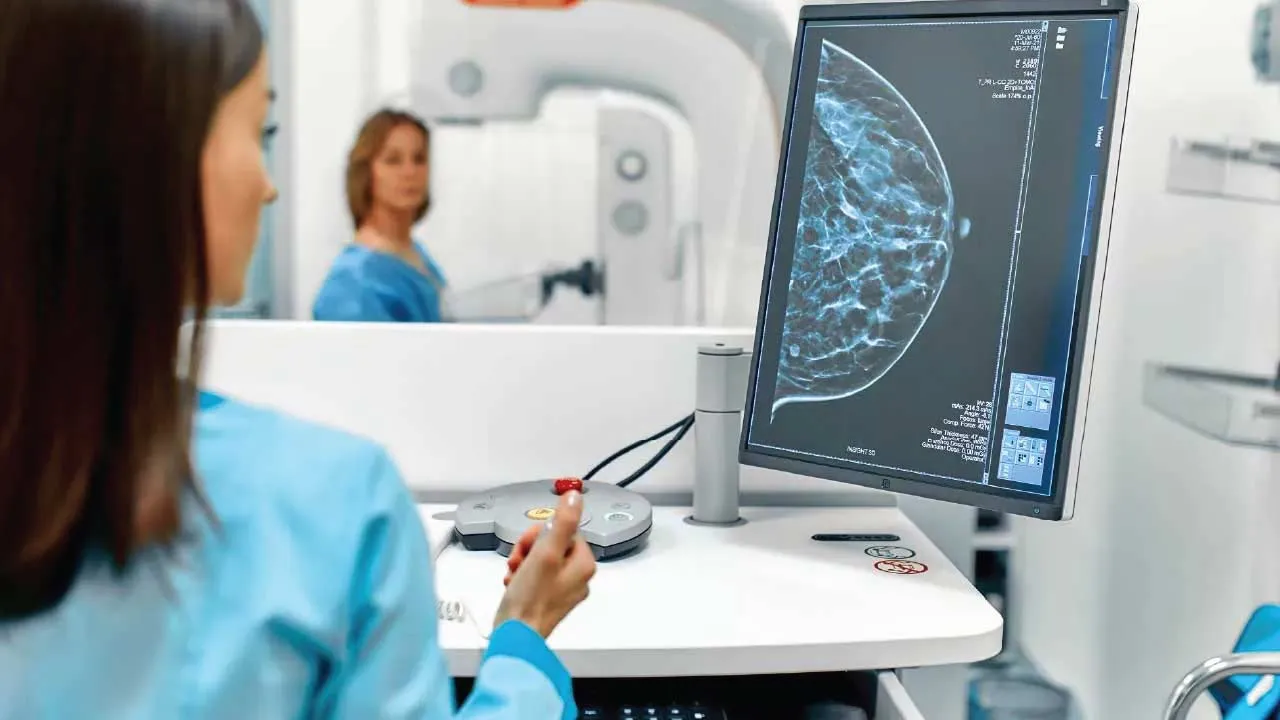
Cancer screening plays an important role in detecting cancer at an early stage, often before symptoms appear. Early diagnosis may improve treatment options, support better outcomes, and help reduce complications. Many cancers become more manageable when identified early through regular screening and timely medical care.
At Dr. Peush Bajpai’s Oncology Practice, patients receive evidence-based cancer screening guidance focused on prevention, early detection, and long-term health. Dr. Peush Bajpai is Director and Unit Head, Medical Oncology at Max Hospital Dwarka, providing comprehensive cancer care with a patient-centered approach.
What Is Cancer Screening?
Cancer screening involves medical tests used to detect cancer or precancerous changes before symptoms develop.
The goals of screening include:
- Detecting cancer early
- Identifying high-risk individuals
- Improving treatment planning
- Reducing cancer-related complications
- Supporting preventive healthcare
Not every person requires the same screening schedule. Recommendations may vary depending on:
- Age
- Gender
- Family history
- Lifestyle habits
- Medical conditions
- Personal risk factors
Why Early Cancer Detection Matters
Many cancers may not cause symptoms during the early stages. In some cases, symptoms appear only after the disease has progressed further.
Early detection may help:
- Improve survival rates
- Allow less aggressive treatment
- Reduce treatment complications
- Improve quality of life
- Support better long-term outcomes
Regular screening, combined with proper medical follow-up, can play a major role in preventive healthcare.
Screening Guidelines For Common Cancers
Breast Cancer Screening
Breast cancer is one of the most common cancers affecting women worldwide.
Common screening methods include:
- Mammography
- Clinical breast examination
- Breast self-awareness
- Ultrasound or MRI in selected cases
General recommendations often include:
- Regular mammography for women above a certain age as advised by their doctor
- Earlier screening for women with strong family history or genetic risk factors
Women should also seek medical evaluation if they notice:
- Breast lumps
- Nipple discharge
- Skin dimpling
- Breast swelling
- Persistent breast pain
- Cervical Cancer Screening
Cervical cancer screening helps identify abnormal or precancerous changes before cancer develops.
Common screening tests include:
- Pap smear
- HPV testing
General recommendations may include:
- Screening beginning during adulthood as advised by a gynecologist
- Follow-up intervals based on age and previous results
HPV vaccination and regular screening together may significantly reduce cervical cancer risk.
Colorectal Cancer Screening
Colorectal cancer affects the colon or rectum and can occur in both men and women.
Common screening methods include:
- Colonoscopy
- Stool-based screening tests
- CT colonography in selected cases
General recommendations often advise screening from middle age onward, although earlier testing may be needed for individuals with:
- Family history of colorectal cancer
- Inflammatory bowel disease
- Genetic conditions affecting cancer risk
Symptoms that should not be ignored include:
- Blood in stool
- Persistent constipation
- Unexplained weight loss
- Changes in bowel habits
Lung Cancer Screening
Lung cancer screening is especially important for individuals considered high risk.
The most common screening method is:
Low-dose CT scan
People who may benefit from screening include:
- Long-term smokers
- Former smokers
- Older adults with significant smoking history
Early-stage lung cancer may not cause symptoms, which makes screening valuable for high-risk groups.
Prostate Cancer Screening
Prostate cancer is commonly seen in aging men.
Screening methods may include:
- PSA blood test
- Digital rectal examination
Men are often advised to discuss screening decisions with their doctor, especially if they:
- Are above middle age
- Have a family history of prostate cancer
Symptoms that may require evaluation include:
- Difficulty urinating
- Frequent urination
- Weak urine stream
Oral Cancer Screening
Oral cancer risk may increase in people who regularly use tobacco or alcohol.
Screening usually involves:
- Examination of the mouth and throat
- Evaluation of ulcers or abnormal patches
Warning signs include:
- Non-healing mouth ulcers
- White or red patches
- Difficulty swallowing
- Persistent hoarseness
Skin Cancer Screening
Regular skin examinations may help detect suspicious skin changes early.
Warning signs include:
- Changing mole appearance
- Irregular borders
- Bleeding skin lesions
- Persistent skin sores
Individuals with excessive sun exposure or strong family history may require closer monitoring.
Liver Cancer Screening
Some individuals with chronic liver disease may require liver cancer screening.
Higher-risk groups include people with:
- Chronic hepatitis
- Liver cirrhosis
- Long-standing liver disease
Screening methods may include:
- Ultrasound imaging
- Blood tests in selected cases
- Who May Need More Frequent Cancer Screening?
Certain individuals may require earlier or more frequent screening because of higher cancer risk factors such as:
- Family history of cancer
- Genetic mutations
- Smoking history
- Obesity
- Chronic infections
- Previous cancers
- Long-term alcohol use
Doctors often personalize screening recommendations based on individual risk profiles.
Lifestyle Habits That Support Cancer Prevention
Although screening is important, healthy lifestyle habits may also help lower cancer risk.
Helpful preventive measures include:
- Avoiding tobacco
- Limiting alcohol intake
- Maintaining healthy weight
- Regular exercise
- Balanced nutrition
- Adequate sleep
- Sun protection
- Vaccinations when recommended
Prevention and early detection work together to support better long-term health outcomes.
Importance Of Regular Health Checkups
Routine medical evaluations may help detect not only cancer but also other chronic health conditions.
Many individuals delay screening because they feel healthy or do not have symptoms. However, early-stage cancers may remain silent for long periods.
Timely screening may help identify health concerns before they become more serious.
Emotional Benefits Of Screening
Cancer screening may also provide reassurance and peace of mind. For many people, regular health checkups reduce anxiety related to uncertainty about their health.
When abnormalities are detected early, patients often have more treatment options and better chances of successful management.
When Should You Consult An Oncologist?
You should seek medical advice if you experience:
- Unexplained weight loss
- Persistent fatigue
- Chronic cough
- Unusual bleeding
- Breast lumps
- Persistent digestive changes
- Non-healing ulcers
- Difficulty swallowing
Even mild symptoms should not be ignored if they continue for an extended period.
Conclusion
Cancer screening is one of the most effective tools for early detection and prevention. Regular screening based on age, lifestyle, and personal risk factors may significantly improve outcomes for many common cancers.
At Dr. Peush Bajpai’s Oncology Practice and Max Hospital Dwarka, patients receive personalized cancer screening guidance focused on prevention, timely diagnosis, and long-term wellness.
FAQs
Q: Why is cancer screening important?
A: Cancer screening may help detect cancer early, often before symptoms appear, which can improve treatment outcomes and overall survival.
Q: At what age should cancer screening begin?
A: Screening recommendations vary depending on the cancer type, age, gender, family history, and personal risk factors.
Q: Who is considered high risk for cancer?
A: Individuals with family history, smoking history, obesity, genetic mutations, or chronic medical conditions may have higher cancer risk.
Q: Can cancer be detected before symptoms appear?
A: Yes, many screening tests are designed to identify cancer or precancerous changes before symptoms develop.
Q: Is cancer screening painful?
A: Most screening tests are simple and minimally uncomfortable, although some may involve brief procedures or imaging studies.
Q: Can lifestyle changes help reduce cancer risk?
A: Healthy habits such as avoiding tobacco, maintaining healthy weight, exercising regularly, and balanced nutrition may help lower cancer risk.

Expert oncology care focused on hope, healing, and better outcomes.
Visit us on Mon–Sat, 9 AM to 5 PM.


© 2025 | Dr. Peush Bajpai | All rights reserved | Digital Marketing by Remedo