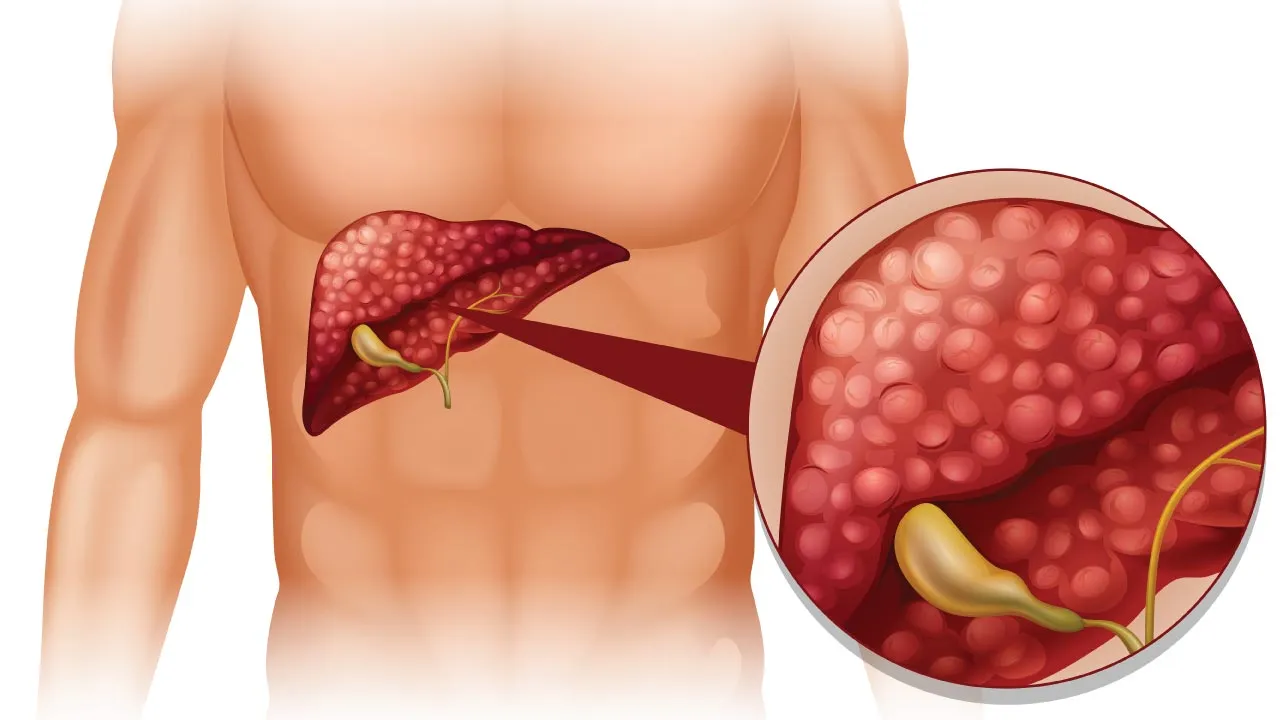
The gallbladder is a small organ located beneath the liver that stores bile, a digestive fluid that helps break down fats. Although gallbladder cancer is relatively uncommon, it can be challenging to detect because it often causes few or no symptoms in its early stages. When symptoms do appear, they may resemble those of more common gallbladder conditions, such as gallstones or inflammation.
Early diagnosis can play an important role in determining treatment options. Understanding the warning signs and recognizing the factors that increase risk can help individuals seek medical evaluation when appropriate.
Dr. Peush Bajpai specializes in the diagnosis and surgical management of gastrointestinal cancers, including gallbladder cancer, providing individualized care based on each patient's condition and overall health.
What Is Gallbladder Cancer?
Gallbladder cancer develops when abnormal cells in the lining of the gallbladder grow uncontrollably and form a tumor. In some cases, the cancer may spread into nearby organs or other parts of the body if not detected early.
Most gallbladder cancers begin in the inner lining of the gallbladder, although several types of gallbladder tumors exist.
Because the gallbladder is located deep within the abdomen, small tumors often do not cause noticeable symptoms during the early stages.
Who Is At Risk?
Gallbladder cancer can affect anyone, but certain factors are associated with a higher risk.
These include:
- Gallstones, particularly longstanding or large stones
- Chronic inflammation of the gallbladder
- Gallbladder polyps larger than 1 centimeter
- Increasing age
- Female sex
- Obesity
- Certain congenital abnormalities of the bile ducts
- Family history of gallbladder cancer
- Porcelain gallbladder, a condition involving extensive calcification of the gallbladder wall
Having one or more of these risk factors does not necessarily mean a person will develop gallbladder cancer.
Common Signs And Symptoms
Early gallbladder cancer may not produce symptoms. When symptoms develop, they can include:
- Pain or discomfort in the upper right abdomen
- Nausea or vomiting
- Loss of appetite
- Unexplained weight loss
- Persistent bloating
- Fever in some cases
- Yellowing of the skin or eyes, known as jaundice
- Dark urine
- Pale stools
These symptoms can occur with many noncancerous gallbladder and liver conditions, making medical evaluation important.
How Is Gallbladder Cancer Diagnosed?
If gallbladder cancer is suspected, your healthcare provider may recommend several tests.
Medical History And Physical Examination
Your doctor will review your symptoms, medical history, and perform a physical examination.
Blood Tests
Blood tests may evaluate liver function and look for abnormalities that could suggest bile duct obstruction or liver involvement.
Imaging Studies
Imaging plays an important role in diagnosis and staging.
Common tests include:
- Ultrasound
- Contrast-enhanced CT scan
- MRI
- MRCP, or magnetic resonance cholangiopancreatography
- PET CT in selected cases
These studies help evaluate the gallbladder, nearby organs, and possible spread of disease.
Biopsy
In selected situations, a tissue sample may be obtained to confirm the diagnosis. The decision to perform a biopsy depends on the imaging findings and treatment plan.
Stages Of Gallbladder Cancer
Gallbladder cancer is staged according to:
- The depth of tumor invasion
- Involvement of nearby lymph nodes
- Spread to nearby organs
- Spread to distant parts of the body
Accurate staging helps determine the most appropriate treatment approach.
Treatment Options
Treatment depends on the stage of the cancer, overall health, and whether the disease can be surgically removed.
Surgery
For localized gallbladder cancer, surgery is often the primary treatment.
Depending on the extent of disease, surgery may involve:
- Removal of the gallbladder
- Removal of nearby liver tissue
- Removal of regional lymph nodes
- Additional procedures if neighboring organs are involved
The exact operation is based on the stage of the cancer and surgical findings.
Chemotherapy
Chemotherapy may be recommended before surgery, after surgery, or for advanced disease, depending on the individual case.
Radiation Therapy
Radiation therapy may be considered in selected patients as part of a comprehensive treatment plan.
Targeted Therapy And Immunotherapy
Some patients may be candidates for targeted therapies or immunotherapy based on the characteristics of their tumor. These treatments are recommended only after careful evaluation.
Can Gallbladder Cancer Be Prevented?
There is no guaranteed way to prevent gallbladder cancer, but certain healthy habits may help reduce the risk of gallbladder disease.
These include:
- Maintaining a healthy weight
- Eating a balanced diet rich in fruits and vegetables
- Staying physically active
- Managing diabetes and other chronic conditions
- Seeking medical evaluation for persistent gallbladder symptoms
- Following your doctor's recommendations if you have large gallbladder polyps or other high-risk conditions
When Should You See A Doctor?
You should seek medical evaluation if you experience:
- Persistent pain in the upper right abdomen
- Recurrent gallbladder attacks
- Unexplained weight loss
- Yellowing of the skin or eyes
- Persistent nausea or vomiting
- Ongoing digestive symptoms that do not improve
Early assessment helps identify the cause of your symptoms and determine whether further testing is needed.
Why Early Diagnosis Matters
Gallbladder cancer is often diagnosed after it has progressed because early disease may not produce symptoms.
When detected at an earlier stage, treatment options may be broader and can include surgery with curative intent in appropriate patients. Regular follow-up for individuals with certain high-risk gallbladder conditions may also help identify changes that require further evaluation.
Conclusion
Gallbladder cancer is an uncommon but potentially serious condition that often develops silently during its early stages. Recognizing the warning signs, understanding the risk factors, and seeking medical attention for persistent symptoms can support earlier diagnosis and timely treatment.
Dr. Peush Bajpai provides comprehensive evaluation and personalized treatment for gallbladder cancer and other gastrointestinal cancers, working closely with each patient to develop an evidence-based care plan tailored to their individual needs.
FAQs
Q: What is the earliest sign of gallbladder cancer?
A: Early gallbladder cancer may not cause symptoms. When symptoms occur, upper right abdominal pain, nausea, or unexplained weight loss may be among the first noticeable changes.
Q: Do gallstones cause gallbladder cancer?
A: Most people with gallstones do not develop gallbladder cancer. However, longstanding gallstones are considered one of several factors associated with an increased risk.
Q: Can gallbladder cancer be detected on an ultrasound?
A: Ultrasound is often the first imaging test used to evaluate gallbladder abnormalities. Additional imaging such as CT or MRI may be needed for further assessment.
Q: Is gallbladder cancer treatable?
A: Treatment depends on the stage of the cancer and the individual's overall health. Options may include surgery, chemotherapy, radiation therapy, targeted therapy, or a combination of treatments.
Q: When should I seek medical attention for gallbladder symptoms?
A: You should consult a healthcare provider if you have persistent upper abdominal pain, jaundice, unexplained weight loss, recurrent gallbladder attacks, or ongoing digestive symptoms.
If you have persistent gallbladder symptoms, gallstones, or concerns about your risk of gallbladder cancer, schedule a consultation with Dr. Peush Bajpai. He provides comprehensive evaluation, advanced diagnostic services, and personalized treatment plans for gallbladder cancer and other gastrointestinal cancers.

Expert oncology care focused on hope, healing, and better outcomes.
Visit us on Mon–Sat, 9 AM to 5 PM.


© 2025 | Dr. Peush Bajpai | All rights reserved | Digital Marketing by Remedo