Introduction
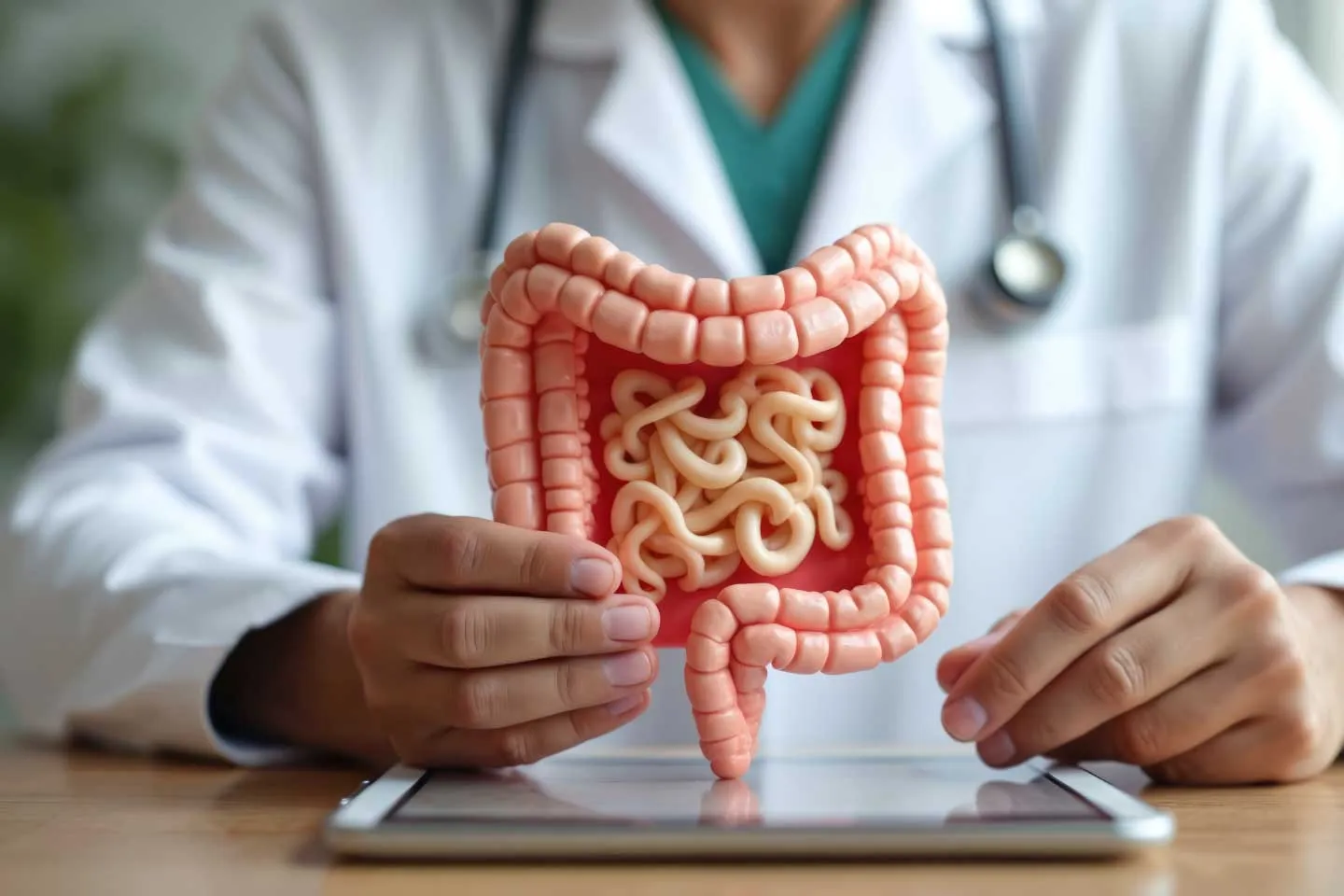
Colorectal cancer is one of the most common cancers affecting the digestive system. It develops in the colon or rectum, which together form the large intestine. The colon helps absorb water and nutrients from food, while the rectum stores waste before it is eliminated from the body. When abnormal cells begin to grow uncontrollably in these areas, they can form tumours that may develop into cancer.
In many cases, colorectal cancer develops slowly over several years. It often begins as small, non-cancerous growths called polyps that form on the inner lining of the colon or rectum. Although not all polyps become cancerous, some may gradually turn into cancer if they are not detected and treated early.
Awareness of the early signs of colorectal cancer is extremely important because early detection greatly improves treatment outcomes. When diagnosed in its early stages, treatment is usually more effective and recovery rates are higher. Recognising symptoms and seeking timely medical advice can make a significant difference in managing the condition successfully.
What Is Colorectal Cancer?
Colorectal cancer refers to cancer that begins in the colon or rectum. These organs form the last part of the digestive system and are responsible for processing and eliminating waste from the body.
Most colorectal cancers start as polyps that grow on the inner lining of the colon. Over time, certain types of polyps may grow larger and become cancerous. Because this process can take several years, regular screening can help detect and remove these polyps before they develop into cancer.
In its early stages, colorectal cancer may not cause noticeable symptoms. As the condition progresses, however, certain warning signs may begin to appear.
Common Causes Or Risk Factors
Several factors may increase the likelihood of developing colorectal cancer. Understanding these risk factors can help individuals take preventive steps and seek screening when needed.
Some common risk factors include:
- Age above 50 years
- Family history of colorectal cancer or colon polyps
- Inherited genetic conditions linked to colorectal cancer
- Diets high in processed foods and red meat
- Low intake of dietary fibre
- Obesity or excess body weight
- Lack of regular physical activity
- Smoking and excessive alcohol consumption
- Inflammatory bowel diseases such as ulcerative colitis and Crohn’s disease
People with one or more of these risk factors should consider regular screening and consult a doctor for guidance.
Early Signs And Symptoms
In the early stages, colorectal cancer may cause symptoms that are mild and often mistaken for common digestive problems. However, persistent symptoms should not be ignored.
Some early warning signs include:
- Persistent change in bowel habits such as diarrhea or constipation
- Feeling that the bowel does not empty completely
- Blood in the stool or rectal bleeding
- Abdominal pain, cramps, or bloating
- Unexplained weight loss
- Persistent fatigue or weakness
- Iron deficiency anemia caused by slow internal bleeding
- Narrow or thin stools
If these symptoms continue for several weeks, it is important to consult a doctor for proper evaluation.
How Is It Diagnosed?
Doctors use several diagnostic tests to confirm colorectal cancer and determine the stage of the disease. Early diagnosis helps improve treatment outcomes.
Common diagnostic methods include:
- Colonoscopy to examine the colon using a flexible camera
- Biopsy to analyse tissue samples for cancer cells
- Stool tests to detect hidden blood in the stool
- CT scan or MRI scan to determine whether the cancer has spread
- Blood tests to check for anemia or other abnormalities
Screening is particularly important because it can detect polyps or early cancer even before symptoms develop.
Treatment Options
Treatment for colorectal cancer depends on the stage of the disease, the location of the tumour, and the patient’s overall health. Doctors may recommend one or more treatment approaches.
Common treatment options include:
- Surgery to remove the cancerous portion of the colon or rectum
- Chemotherapy to destroy cancer cells and reduce recurrence risk
- Radiation therapy, especially for rectal cancer
- Targeted therapy that focuses on specific cancer cells
- Immunotherapy in certain advanced cases
Advances in cancer treatment have significantly improved survival rates, particularly when the disease is detected early.
When Should You See A Doctor?
Early medical consultation is important if digestive symptoms persist or worsen over time. Although many symptoms may be caused by less serious conditions, they should still be evaluated.
You should see a doctor if you experience:
- Changes in bowel habits lasting more than a few weeks
- Blood in the stool
- Persistent abdominal discomfort or pain
- Unexplained weight loss
- Continuous fatigue or weakness
- Unexplained anemia
Timely medical evaluation allows doctors to determine the cause of symptoms and recommend appropriate treatment if necessary.
Prevention And Healthy Tips
Although colorectal cancer cannot always be prevented, certain lifestyle habits can help reduce the risk.
Important preventive measures include:
- Eating a balanced diet rich in fruits, vegetables, and whole grains
- Increasing dietary fibre intake
- Engaging in regular physical activity
- Maintaining a healthy body weight
- Limiting processed foods and red meat consumption
- Avoiding smoking
- Reducing alcohol intake
- Undergoing regular colorectal cancer screening after the age of 45
These healthy practices support digestive health and may help lower the risk of developing colorectal cancer.
FAQs
Q: What are the early signs of colorectal cancer?
A: The early signs of colorectal cancer may include changes in bowel habits, blood in the stool, abdominal discomfort, unexplained weight loss, and persistent fatigue.
Q: Who is at risk of developing colorectal cancer?
A: People over the age of 50, individuals with a family history of colorectal cancer, those with inflammatory bowel disease, and people with unhealthy lifestyle habits may have a higher risk.
Q: How is colorectal cancer diagnosed?
A: Colorectal cancer is diagnosed through tests such as colonoscopy, biopsy, stool tests, and imaging scans like CT scans or MRI scans.
Q: What treatment options are available for colorectal cancer?
A: Treatment options for colorectal cancer may include surgery, chemotherapy, radiation therapy, targeted therapy, or immunotherapy depending on the stage of the disease.
Q: When should I see a doctor for symptoms related to colorectal cancer?
A: You should see a doctor if you experience persistent changes in bowel habits, blood in the stool, abdominal pain, unexplained weight loss, or ongoing fatigue.
Schedule Your Consultation
Colorectal cancer is a serious condition, but it is often preventable and treatable when detected early. Being aware of the warning signs such as changes in bowel habits, blood in the stool, abdominal discomfort, unexplained weight loss, and fatigue can help individuals seek medical attention at the right time.
Regular screening, healthy lifestyle choices, and timely medical consultation with best Oncologist Dr.Peush Bajpai plays a vital role in preventing and detecting colorectal cancer in its early stages. Increased awareness about this condition can help improve early diagnosis and support better long-term health outcomes.

Expert oncology care focused on hope, healing, and better outcomes.
Visit us on Mon–Sat, 9 AM to 5 PM.


© 2025 | Dr. Peush Bajpai | All rights reserved | Digital Marketing by Remedo