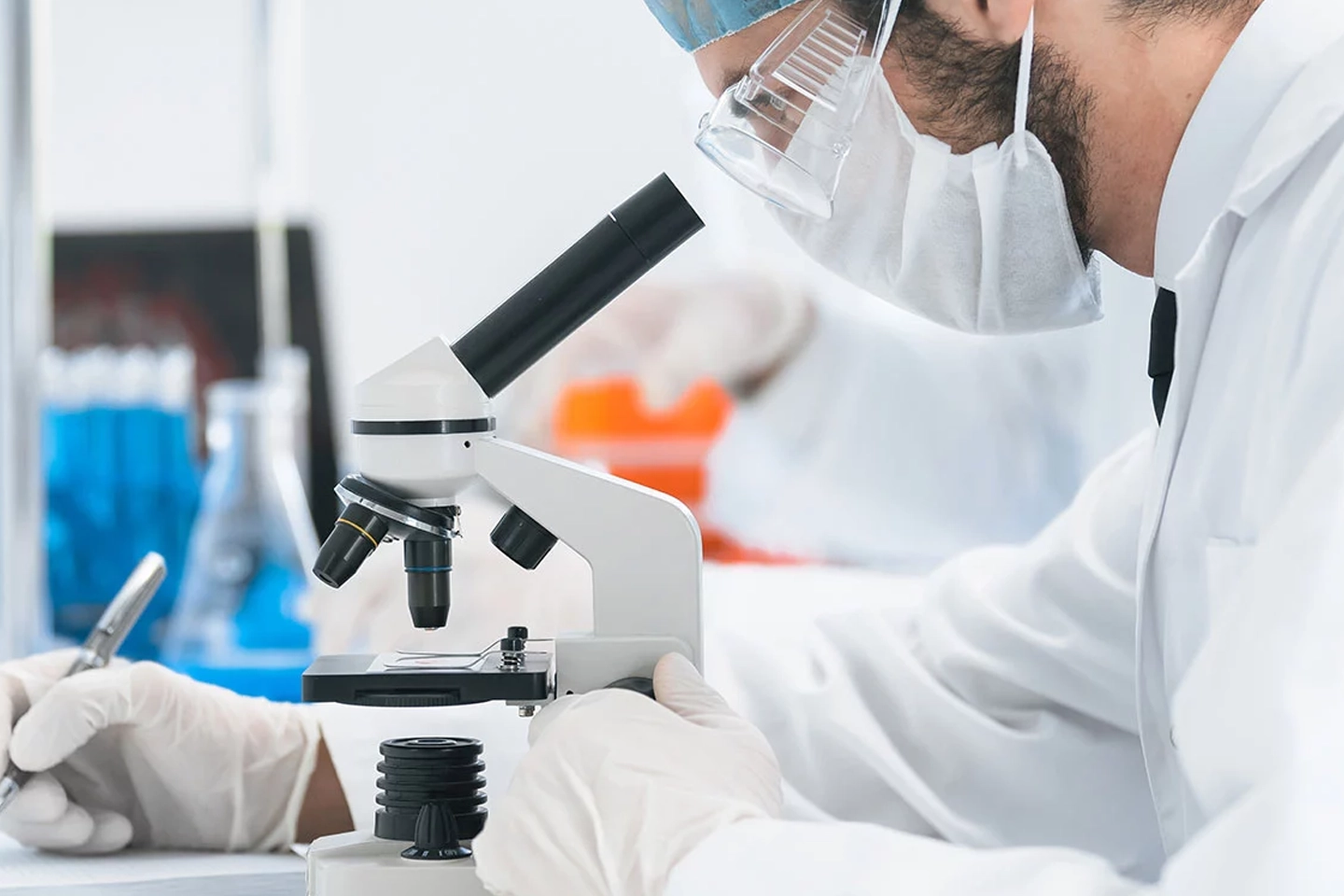
Cancer is one of the most critical health challenges worldwide. Early and accurate diagnosis plays a key role in effective treatment and better survival outcomes. A biopsy is often the most definitive method for diagnosing cancer, as it involves collecting a small tissue sample for laboratory analysis to confirm the presence, type, and sometimes the stage of malignant cells.
Dr. Peush Bajpai emphasizes that understanding the role of biopsy and its different types helps patients make informed decisions about their care. Biopsies may be performed using a needle, endoscopy, or minor surgical procedures depending on the suspected site and condition. The procedure is generally safe, and results guide doctors in planning appropriate treatment such as surgery, chemotherapy, radiation, or targeted therapies. Early evaluation and timely biopsy can significantly improve treatment planning and overall outcomes.
What Is a Biopsy
A biopsy is a medical procedure in which a small sample of tissue or cells is removed from the body for examination under a microscope. This sample helps doctors identify abnormal, precancerous, or cancerous cells.
Unlike imaging tests, which can only suggest the presence of a tumor, biopsy provides a definitive diagnosis. It is a cornerstone in oncology, guiding treatment planning and prognosis.
Why Biopsy Is Important in Cancer Diagnosis
Biopsy plays a critical role in cancer care for several reasons:
- Definitive Diagnosis: Confirms whether a tumor is malignant or benign.
- Cancer Typing: Identifies the specific type of cancer cells, which is crucial for selecting the appropriate treatment.
- Staging and Grading: Helps determine the aggressiveness of cancer and whether it has spread.
- Treatment Planning: Provides information that guides surgery, chemotherapy, radiation, or targeted therapies.
- Monitoring Recurrence: Used to check for cancer recurrence or response to treatment.
Dr. Peush Bajpai stresses that timely biopsy can significantly improve treatment outcomes and reduce complications.
Types of Biopsy
There are several types of biopsy, depending on the location and size of the suspected tumor:
Needle Biopsy
- Uses a fine or core needle to remove tissue.
- Minimally invasive and often performed under local anesthesia.
- Commonly used for breast, liver, or thyroid tumors.
Surgical Biopsy
- Involves removing a larger tissue sample or the entire tumor.
- Can be incisional (part of the tumor) or excisional (whole tumor).
- Often used when needle biopsy is insufficient or for precise diagnosis.
Endoscopic Biopsy
- Performed using a thin tube with a camera to access internal organs.
- Used in gastrointestinal, respiratory, or urinary tract cancers.
Skin Biopsy
- Removes a small portion of skin or lesion.
- Helps diagnose skin cancers or suspicious moles.
- Image-Guided Biopsy
- Uses ultrasound, CT, or MRI to guide tissue sampling.
- Enhances accuracy, especially for deep or hard-to-reach tumors.
How Biopsy Is Performed
The procedure varies based on the type and location of tissue:
- Local or general anesthesia may be used.
- The area is cleaned and sterilized to prevent infection.
- A small tissue sample is removed using the chosen method.
- The sample is sent to a pathology lab for analysis.
- Results are usually available within a few days to a week.
Dr. Peush Bajpai highlights that most biopsies are safe, with minimal complications when performed by trained professionals.
Risks and Considerations
Biopsy is generally safe, but like any medical procedure, it carries some risks:
- Mild pain or discomfort at the site
- Bruising or bleeding
- Infection (rare)
- Damage to surrounding tissues (rare)
The benefits of accurate cancer diagnosis far outweigh the risks, making biopsy an essential diagnostic tool.
When Biopsy Is Recommended
Doctors may recommend a biopsy if there is:
- A suspicious lump or tumor detected on imaging
- Unexplained symptoms suggesting cancer
- Abnormal lab results
- Lesions or changes in skin, oral cavity, or internal organs
Early biopsy ensures prompt diagnosis, which is critical for effective treatment.
FAQs
Q: Is biopsy painful?
A: Most biopsies are performed under local anesthesia, causing minimal discomfort. Some may feel pressure or mild pain during the procedure.
Q: How long does it take to get biopsy results?
A: Typically, results are available within a few days to a week, depending on the tissue type and complexity.
Q: Can a biopsy spread cancer?
A: No. When done correctly, biopsy does not increase the risk of cancer spreading.
Q: Do all tumors require a biopsy?
A: Not always. Some conditions may be monitored through imaging, but biopsy remains the gold standard for definitive diagnosis.
Q: Is biopsy safe for children and elderly patients?
A: Yes. With proper care and medical supervision, biopsy is safe across age groups.
Conclusion
Biopsy is a cornerstone in cancer diagnosis, providing definitive answers that guide treatment decisions and improve patient outcomes. From detecting malignant cells to identifying cancer type and stage, biopsy ensures personalized and effective care.
Dr. Peush Bajpai emphasizes that early consultation and timely biopsy can save lives, prevent complications, and enable successful treatment planning.
Consult Dr. Peush Bajpai for expert guidance on biopsy and cancer diagnosis. Early detection through a proper biopsy can make a significant difference in treatment success.

Expert oncology care focused on hope, healing, and better outcomes.
Visit us on Mon–Sat, 9 AM to 5 PM.


© 2025 | Dr. Peush Bajpai | All rights reserved | Digital Marketing by Remedo